


OPERATIONS & MAINTENANCE STRATEGIES
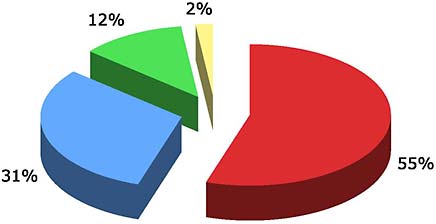
Currently more than 55% of maintenance resources and
activities of an average facility are still reactive in nature.
Reactive Basically the "run it till it breaks" maintenance mode.
Advantages:
- Lower initial costs
- Requires fewer staff
Disadvantages:
- Increased costs due to unplanned downtime of equipment
- Increased labor costs, especially for untimely repairs and replacements
- May increased costs associated with repairs and replacements
- May result in secondary equipment or process damage
- Is an inefficient use of staff resources
Preventative Actions based on time schedules or machine run time.
Advantages:
- Is cost effective in many capital intensive processes and equipment
- Provides flexibility for the adjustment of maintenance periodicity
- Increases component life cycle
- Generates energy savings
- Reduces equipment and/or process failures
- Results in an estimated 12% to 18% cost savings over that found in a reactive maintenance program
Disadvantages:
- Does not eliminate catastrophic failures
- Is more labor intensive
- Includes performing unneeded maintenance activities, which has the potential to result in incidental damage to components
Predictive Actions based on actual condition of the equipment, rather than a time schedule.
Advantages:
- Provides increased component operational life and availability
- Allows for preemptive corrective actions
- Results in decrease in equipment and/or process downtime
- Lowers costs for parts and labor
- Provides better product quality
- Improves worker and environmental safety
- Raises worker morale
- Increases energy savings
- Results in an estimated 8% to 12% cost savings over which might result from a predictive maintenance program
Disadvantages:
- Increases investment in diagnostic equipment
- Increases investment in staff training
- Savings potential is readily seen by management
Other
Resource — U.S. Department of Energy/Federal Energy Management Program.